
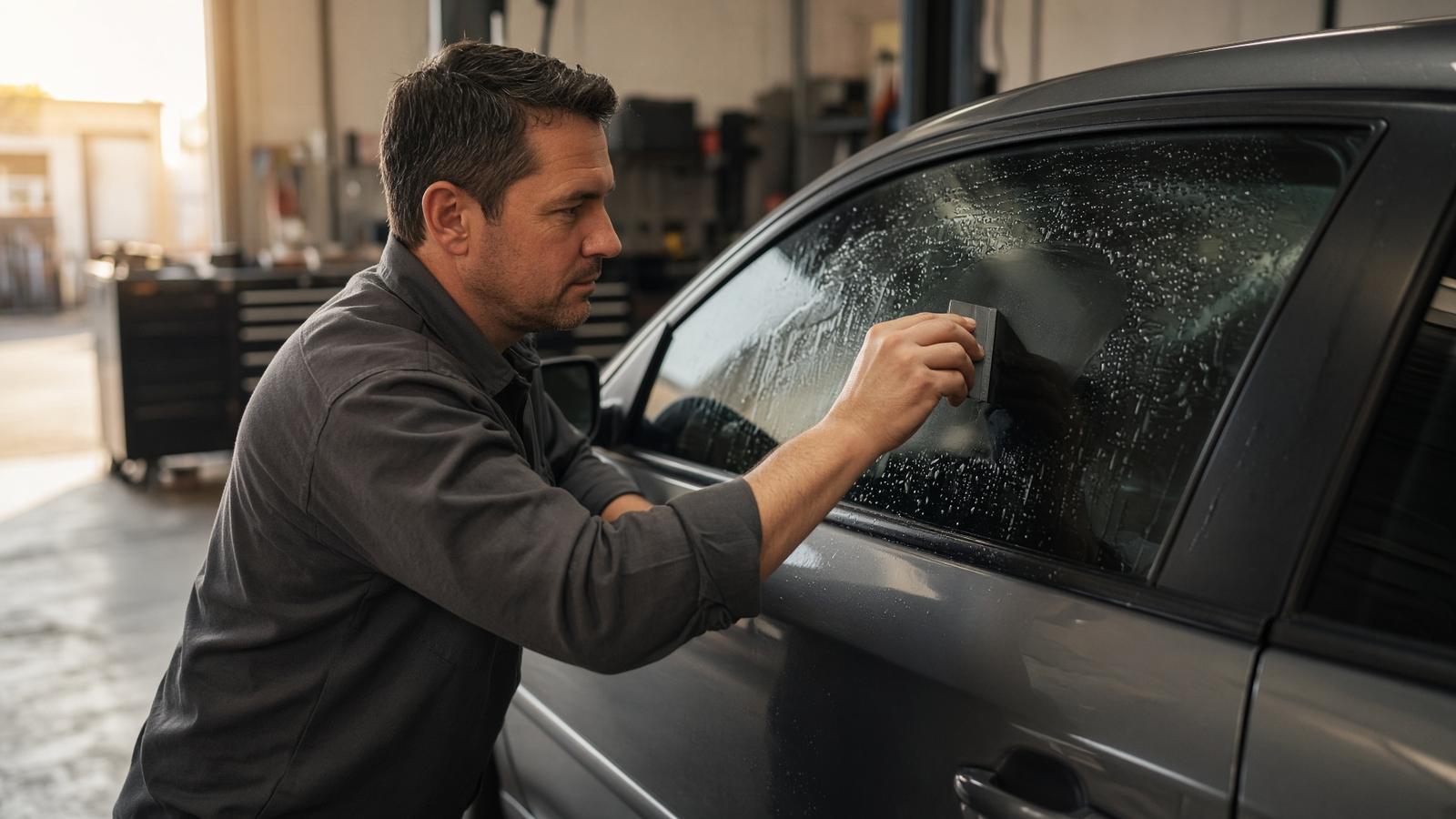
Automotive window tint
Ceramic, carbon, and dyed film for sedans, trucks, and SUVs. Legal front shades, darker rears where Alabama allows them.
See how this job is doneWindow film. One scheduling line.
(866) 913-2456Window film, one phone line
Summit installs ceramic, carbon, and dyed film on cars, houses, and storefronts. The legal shade depends on the registration. You get that shade, and a price, on the phone before anyone cuts film.
Ceramic, carbon, and dyed film for sedans, trucks, and SUVs. Legal front shades, darker rears where Alabama allows them.
See how this job is done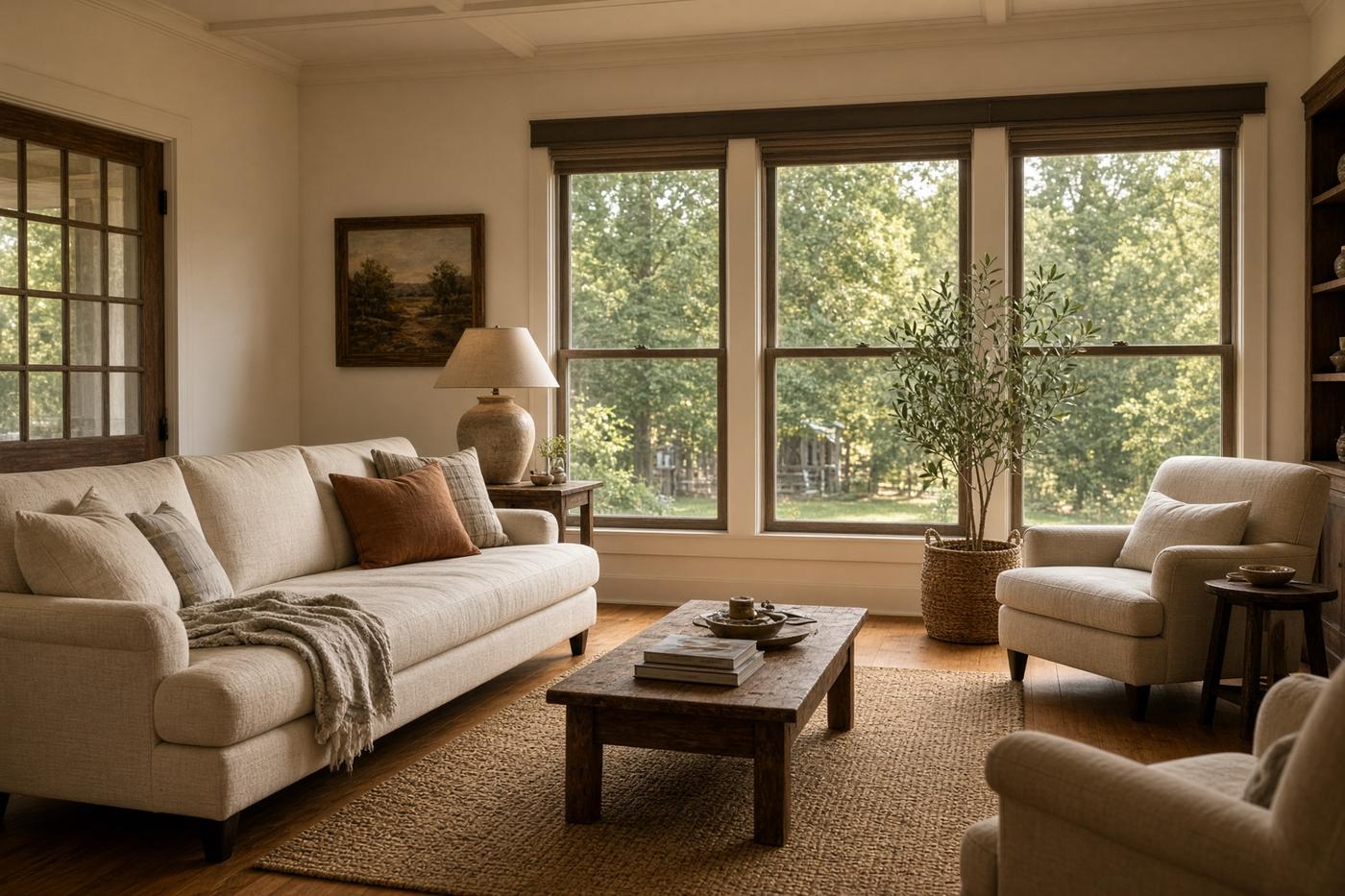
Solar-control film for houses that are hot, glaring, or fading. A retrofit when you are not ready to replace the windows.
See how this job is done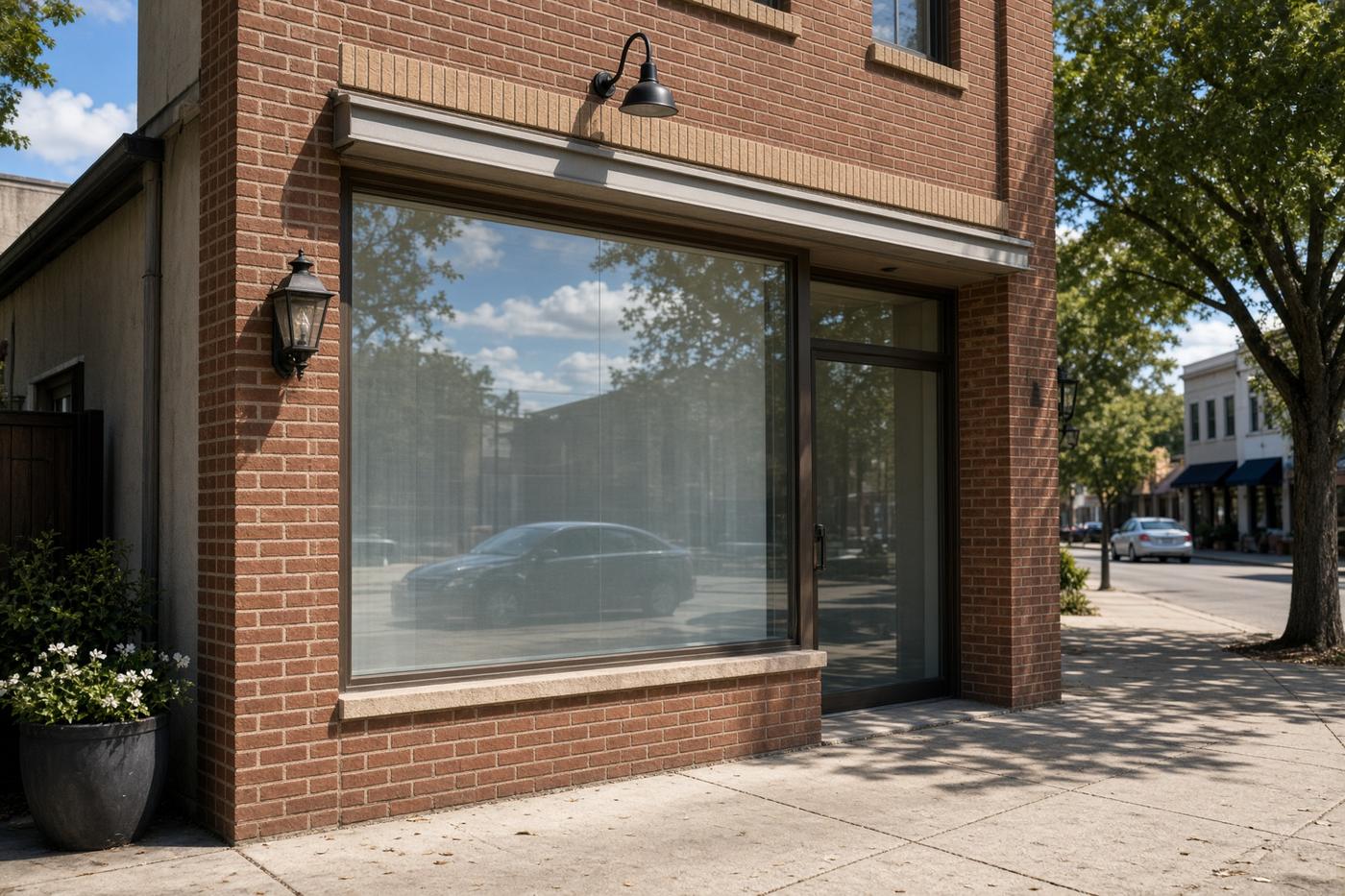
Solar control, daytime privacy, and security film for offices, clinics, and storefront glass.
See how this job is doneThe percentage is how dark the glass looks. The construction is what happens to the heat. A legal light ceramic often beats a too-dark dyed shade the state will not let you keep.
| Dyed | Carbon | Ceramic | |
|---|---|---|---|
| Heat | Fair | Strong | Strongest infrared control |
| Look | Darker, can shift purple | Matte, holds its color | Clear, even in lighter shades |
| Full sedan | $199–$329 | $279–$449 | $399–$699 |
Typical installed ranges. What moves the price. SUVs run higher. House film is priced by the square foot.
Texas will allow a darker front door than New York, California, or Pennsylvania. Alabama is 32%. We do not copy one state’s limit onto another car. The guide lists the front and rear rule for every state we schedule.
Read tint laws by state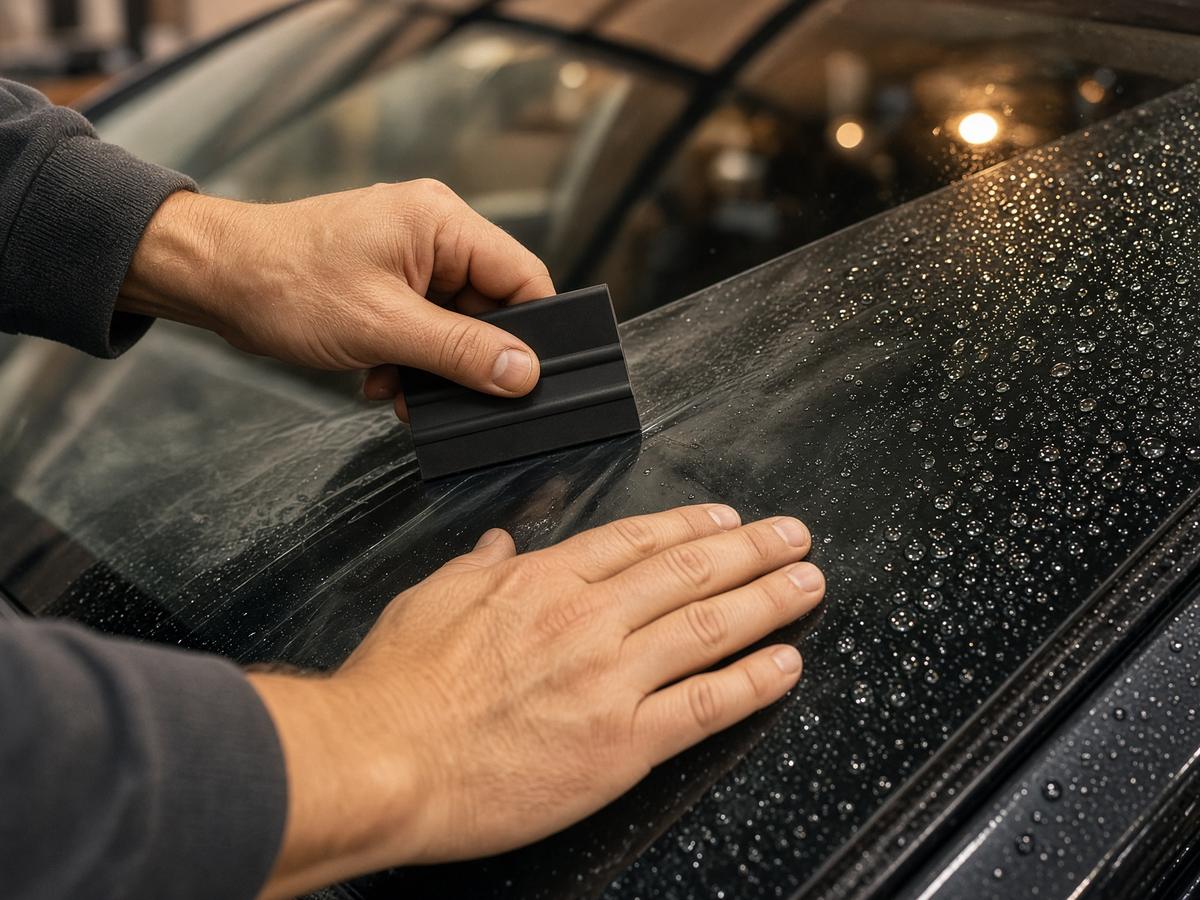
Automotive film, residential solar and privacy film, and commercial solar and security film in the states listed on the service area page. We do not install replacement windows or doors.
Not on front side windows. Alabama’s rule is 32% visible light transmission on the front doors of every vehicle, and on the rear glass of passenger cars. Other states are different. Texas allows darker fronts than New York or California. Use the tint law guide for the state on the registration, not a guess from another state.
A full ceramic sedan is typically $399 to $699 installed. Carbon and dyed film cost less. House film is usually $8 to $16 per square foot. You get a confirmed price on the call.
Most cars are a few hours. You will be asked to leave the windows up for several days while the film cures. House and storefront jobs depend on how much glass and whether we are working after hours.
No. Ceramic and carbon films are non-metal, so phones, GPS, and toll tags keep working. Metalized film is the construction that causes signal trouble, and we rarely spec it.
No. You call one scheduling line. We book the install for your city and the film line you picked. There is not a fake storefront address for each town on this site. Alabama is listed town by town. Other states are listed by city and ZIP, and more states get added the same way.
Legal shades
Window tint laws by stateFront and rear tint limits for every state Summit schedules, from the calls on (866) 913-2456. A summary, not legal advice.
Legal shades
Alabama window tint lawsAlabama tint rules in plain language: 32% VLT, the windshield strip, SUV rear glass, reflectivity, and the compliance sticker.
Film lines
Ceramic vs carbon vs dyed tintHow dyed, carbon, and ceramic window film differ on heat, fade, clarity, and signal — and which one belongs on an Alabama car.
Pricing
What window tint costs in AlabamaTypical installed prices for car, home, and storefront film in Alabama, and what actually moves the number.